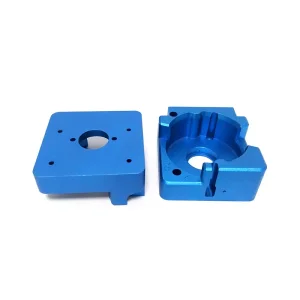
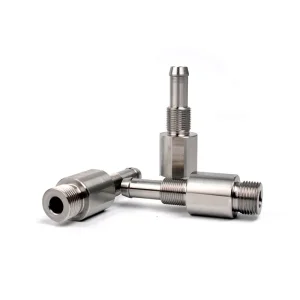
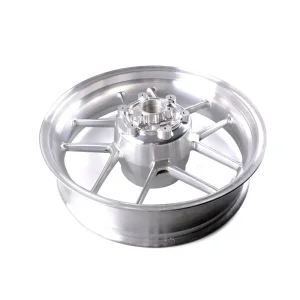
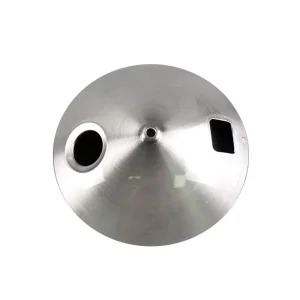
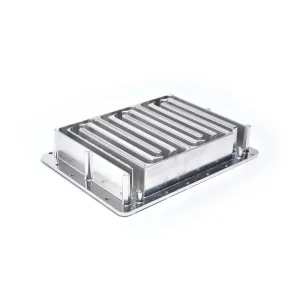
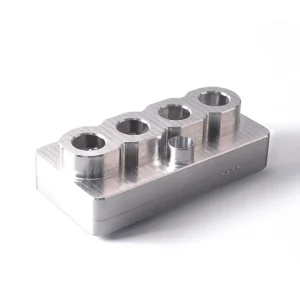
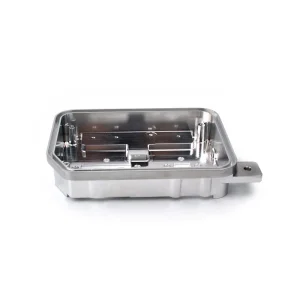
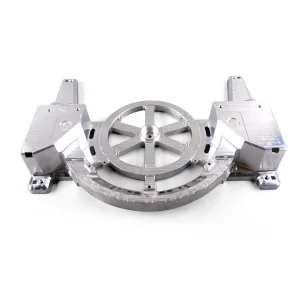
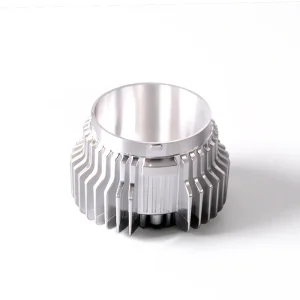
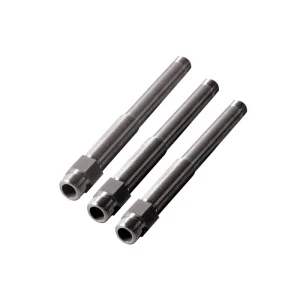
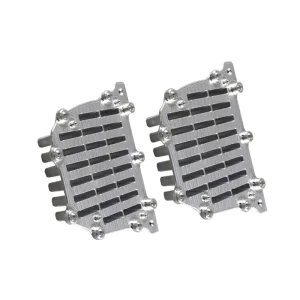
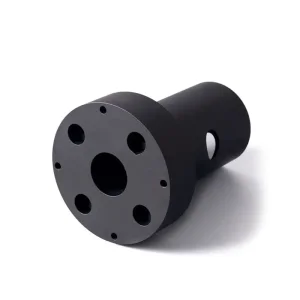
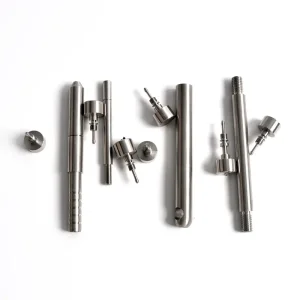
Explore our high-performance components machined to precision tolerances, ready for advanced coatings including chromizing, anodizing, and custom metal finishing.
An in-depth metallurgical analysis of Chromizing technologies, surface engineering substrate chemistry, and structural longevity in high-temperature, highly corrosive applications.
Chromizing (Chromide Coating) is a thermochemical surface modification process designed to diffuse chromium atoms into the surface matrix of a base metal—most commonly carbon steels, alloy steels, and nickel- or cobalt-base superalloys. Unlike conventional electroplated chromium (hard chrome plating) which forms a mechanical bond with the substrate and is prone to delamination under mechanical or thermal stress, chromizing forms a true metallurgical diffusion zone. This diffusion zone transforms the outer layer of the component into a chromium-rich alloy, offering peerless oxidation resistance at temperatures up to 900°C (1650°F), superior resistance to sulfur-bearing gases, and extreme hardness when applied to high-carbon alloys.
In high-stress industrial applications such as aerospace turbine blades, petrochemical refining tubes, boiler heat exchangers, and automotive exhaust systems, the integrity of this diffusion layer is paramount. The kinetics of chromium diffusion rely heavily on the precise substrate composition, thermal cycle parameters, and chemical purity of the halide activators used during pack cementation or gas-phase chromizing. Achieving a uniform, pore-free chromide layer requires absolute control over both the precursor machining operations and the thermal processing atmosphere.
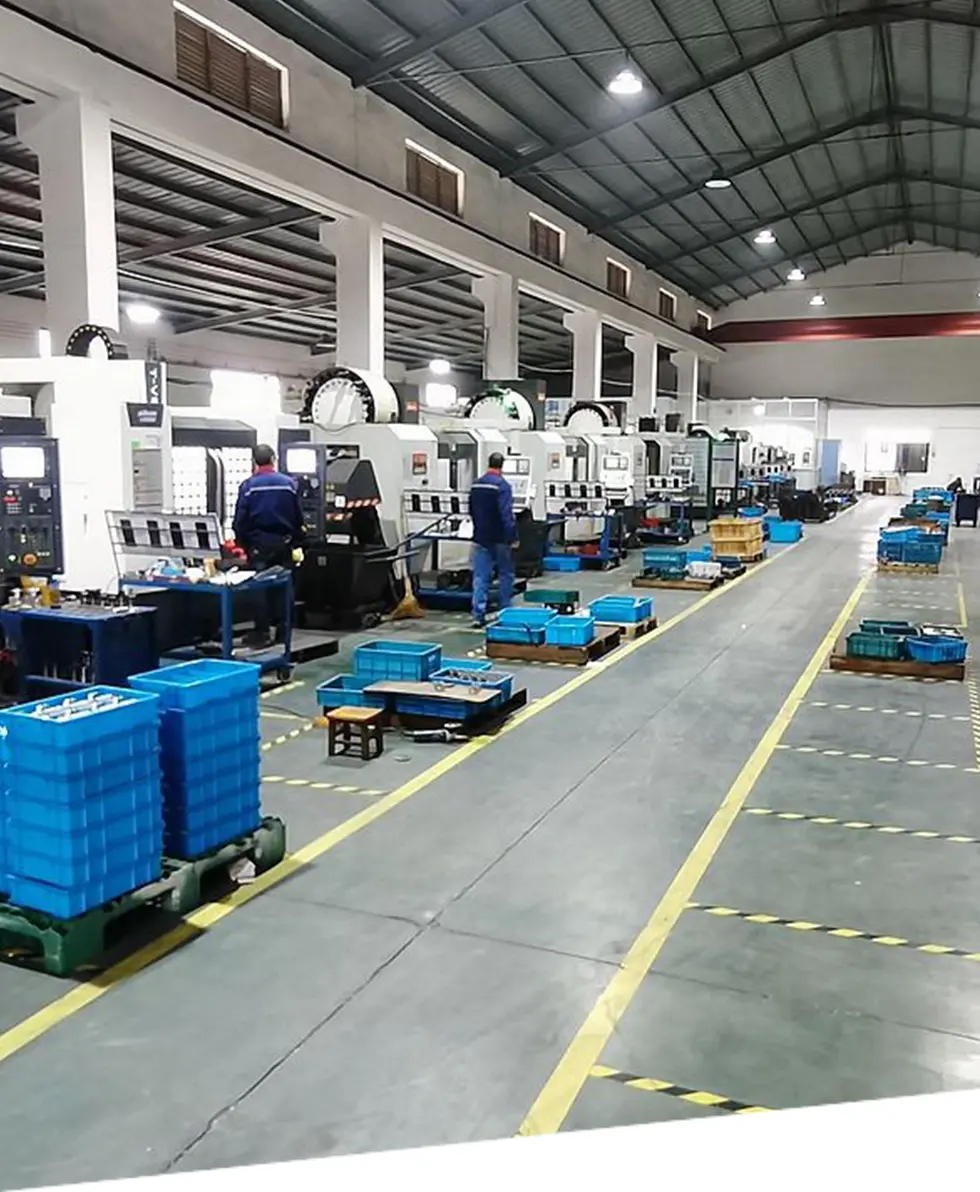
Dongguan Hongrui Model Technology Co., Ltd., established in 2019 with a registered capital of 5 million yuan and currently employing over 100 dedicated manufacturing professionals, stands as one of the premier rapid prototyping and high-precision CNC machining enterprises in China. We specialize in providing low-cost, high-precision OEM CNC machining parts, acting as the critical foundation for advanced surface treatments like chromide coatings. Our premium components are heavily utilized in demanding global industries including automotive, medical, electronic, aerospace, heavy machinery, telecommunications, smart devices, and high-end toy manufacturing.
Quality and environmental accountability are the twin pillars of Hongrui’s corporate strategy. We have invested significantly in state-of-the-art metrology, production climate controls, and green manufacturing technologies. In 2020, our facilities successfully passed the comprehensive quality system audit by SGS, followed by obtaining our official "GB/119001-2016 ISO 9001:2015" certification in 2023. Concurrently, Hongrui passed the SGS environmental system audit, reflecting our adherence to globally recognized environmental guidelines. Through rigorous management details, we ensure that every machined component meets exact client specifications, providing the perfect defect-free surface finish required for optimal chromide coating adhesion and growth.
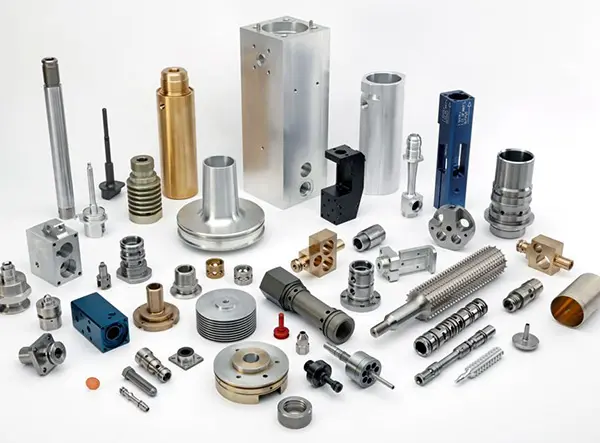
For chromide diffusion coating to succeed, the underlying substrate must be machined to precise physical geometry and optimal surface roughness. Dongguan Hongrui operates 50 state-of-the-art CNC machine tools, including vertical, horizontal, three-axis, four-axis, and multi-spindle five-axis CNC machining centers. This versatile manufacturing matrix allows us to significantly compress production lead times while holding dimensional tolerances within an ultra-precise margin of ±0.0002 inches (±0.005 mm), ensuring absolute compliance for high-tolerance OEM components.
Our raw material capabilities span a comprehensive spectrum, including aluminum, high-grade stainless steel, copper, nickel alloys (such as Inconel and Hastelloy), cobalt-based alloys, tungsten, titanium, and advanced engineering plastics. To support global procurement teams, Hongrui offers a fully integrated workflow. In addition to high-precision CNC milling and turning, we provide specialized operations including grinding, deburring, drilling, tapping, and advanced EDM wire cutting. Post-machining treatments are also handled in-house or via certified partner networks, including rust removal, sandblasting, polishing, vibrational finishing, hydrostatic pressure testing, ultrasonic cleaning, and complex multi-component assembly.
Our 5-axis CNC systems enable single-setup machining of complex geometries like turbine impellers, preventing cumulative setup errors and ensuring a seamless, smooth surface finish ready for uniform chromizing.
With tolerances down to ±0.005 mm, we guarantee that the final component, even after accounting for the microscopic dimensional change during the high-temperature chromizing diffusion process, sits perfectly within system design limits.
We analyze how chromium diffusion affects various base alloys, helping clients select the ideal substrate grade—such as low-carbon steel for ductile chrome-ferrite layers, or high-carbon steel for hard chromium-carbides.
Why sourcing high-precision components and diffusion coatings from Dongguan, China delivers unmatched technological and economic value.
The industrial ecosystem in Dongguan, China, represents one of the world's most concentrated clusters of advanced precision engineering and metallurgical surface treatment capabilities. When global OEMs partner with a specialized Chinese manufacturer like Dongguan Hongrui, they gain access to a highly integrated, end-to-end supply chain. This localized clustering dramatically reduces lead times, as parts transition seamlessly from multi-axis CNC milling centers directly to specialized pack-cementation and vacuum diffusion furnaces without leaving the industrial zone.
From primary alloy melting and precision casting to high-tolerance CNC machining, EDM cutting, and chemical vapor deposition (CVD) or pack chromizing, every production step occurs within a 50-mile radius. This reduces logistics costs and eliminates international shipping delays during manufacturing cycles.
Our operation optimizes raw material sourcing, energy utilization, and skilled technical labor. We pass these efficiencies to the customer, enabling cost savings of 30% to 50% compared to Western facilities while meeting or exceeding identical metallurgical standards.
Chinese advanced manufacturing zones operate under strict international frameworks. By pairing digital workflow management with certified SGS audits and ISO standards, we ensure consistency from the initial rapid prototype to high-volume production runs.
Furthermore, Chinese factories are at the forefront of implementing green and automated production processes. In response to global demands for environmental compliance, modern chromizing facilities in China utilize sophisticated closed-loop waste treatment systems, particulate filtration, and clean thermal technologies, ensuring that the components are manufactured safely and sustainably, complying fully with RoHS and REACH regulations.
How chromide diffusion coatings solve wear, erosion, and high-temperature degradation across key global sectors.
As operating environments in modern engineering systems grow increasingly hostile, traditional electroplating, painting, and thermal spray coatings often fail to provide adequate protection. High-velocity gas streams, corrosive chemicals, and elevated temperatures demand coatings that are chemically bound to the substrate. Chromide diffusion coatings address these challenges, acting as a crucial component of macro-industry solutions across several key sectors:
Turbine blades, guide vanes, and combustor liners are subjected to severe high-temperature oxidation and hot corrosion (sulfidation) from jet fuel impurities. Chromide coatings provide a reservoir of chromium that forms a protective, self-healing chromium oxide (Cr₂O₃) scale on the component surface, extending operational lifetimes by hundreds of hours.
Process piping, heat exchanger tubes, and valve stems operating in sulfur-rich hydrocarbon streams at elevated temperatures are highly susceptible to sulfidation and hydrogen attack. Diffusion chromizing creates a barrier that prevents sulfur and carbon penetration, preserving the structural integrity of the steel piping.
Superheater and reheater tubes in coal-fired or waste-to-energy power plants suffer from coal ash corrosion and high-temperature erosion. Chromizing low-alloy boiler steels dramatically reduces metal loss rates, helping prevent unexpected tube failures and minimizing unscheduled plant downtime.
Global supply chain managers, engineering heads, and procurement directors require more than just technical capabilities; they need partners that minimize supply chain risk. Dongguan Hongrui addresses these requirements by combining state-of-the-art manufacturing with transparent documentation. Through our ISO 9001:2015 quality system, every manufacturing step—from raw material receipt and trace metallurgy analysis to dimensional inspection and final surface evaluation—is thoroughly recorded.
Furthermore, we offer complete material traceability, providing Mill Test Reports (MTRs), SGS certification documents, and detailed coordinate measuring machine (CMM) inspection files. Understanding the importance of environmental compliance for North American and European markets, our processes comply with RoHS and REACH regulations. By using clean diffusion technologies and audited waste handling methods, we ensure that your parts comply with environmental regulations in all target markets.
Answers to technical, operational, and commercial questions for engineering and procurement professionals.
Browse our precision-machined assemblies, heavy-duty rotary parts, and custom surface solutions built for demanding industrial applications worldwide.
 Hongrui Model