Choosing the right sheet bending techniques is crucial for optimized manufacturing. The global sheet metal bending market has seen steady growth, reaching approximately $8.5 billion in 2022, as reported by industry analysts. This indicates an increasing demand for precision and efficiency in sheet bending processes.
Expert John Smith, a leader in metal fabrication, states, "Selecting the right bending technique can drastically influence production costs and quality." With various methods available, such as air bending, bottom bending, and coining, it’s essential to understand their unique benefits and limitations. Adjusting technique based on material type and thickness can lead to significant variations in strength and durability.
Many businesses may overlook the importance of selecting the appropriate sheet bending method. There is often a trial-and-error approach that can lead to wasted resources. Companies must consider the specifics of their projects and invest in expert consultation. The right choice can lead to enhanced product quality and cost savings in the long run.
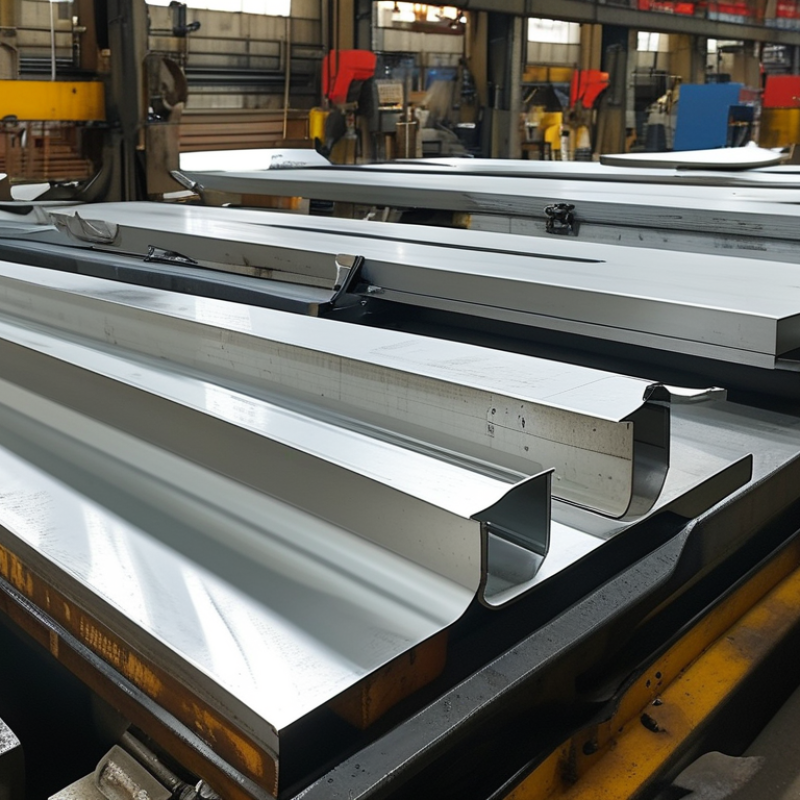
Understanding Different Sheet Bending Techniques and Their Applications
When selecting the best sheet bending techniques, understanding their applications is crucial. Different methods cater to various materials, thicknesses, and desired results. For instance, air bending is versatile and cost-effective, allowing for adjustments while minimizing tool wear. This method can produce angles up to ±1 degree, making it suitable for many projects.
In contrast, bottom bending provides higher accuracy. It is ideal for critical dimensions, particularly with thick metals. However, this technique might require specialized tooling, increasing costs. A recent industry report by the Fabricators & Manufacturers Association indicates that precise bending techniques have led to a 15% reduction in production errors.
Ultimately, each technique has strengths and weaknesses. Knowing the material type and thickness can guide the decision. Some methods might not suit every project, causing delays or increased expenses. Balancing speed, cost, and precision is essential for achieving optimal results in manufacturing.
Sheet Bending Techniques Comparison
This bar chart illustrates the common sheet bending techniques along with their respective applications. Each technique's effectiveness can vary based on the materials used and the required precision.
Evaluating Material Properties for Optimal Bending Performance
When considering sheet bending techniques, evaluating material properties is crucial. Each material behaves differently under stress and strain, impacting the quality of the bend. For example, metals typically require specific bending allowances to prevent cracking. Factors like thickness, hardness, and grain direction play vital roles in determining how a material will respond.
Tips: Always conduct a bend test on scrap material. Testing helps identify the optimal angle and radius for your specific material. If a material shows signs of distortion or surface fractures, re-evaluate its suitability.
Understanding the tensile strength of your material is essential. A stronger material may be more resistant to deformation, but it can also lead to challenges. You’ll need to adjust your bending techniques for thicker or harder sheets. Sometimes, trial and error can reveal the best methods.
Tips: Keep a detailed record of your bending tests. This record will serve as a valuable reference for future projects. Whether experimenting with different techniques or materials, learning from past attempts is vital for improvement.
Analyzing Cost-Effectiveness of Various Bending Methods
When choosing sheet bending techniques, understanding the cost-effectiveness of each method is crucial. Some techniques, like air bending, may offer lower initial costs but can lead to higher material waste. This impacts overall expenses in the long run. Precision is key; inaccurate bends may require rework, increasing labor and material costs.
Consider hydraulic press brakes for larger projects. They provide consistent results but might require a significant investment. Evaluate your specific needs. For smaller operations, manual bending could reduce upfront costs. However, it often results in variability, which can be problematic for high-quality standards.
Always assess the trade-offs between cost and quality. Cheaper options might save money initially but could lead to more defects. This can erode your reputation over time. Balancing these factors ensures you choose the bending technique that best suits your business goals and budgetary constraints.
How to Choose the Best Sheet Bending Techniques for Your Needs? - Analyzing Cost-Effectiveness of Various Bending Methods
| Bending Technique |
Material Compatibility |
Cost ($) |
Setup Time (hours) |
Production Rate (units/hour) |
Precision (mm) |
| Air Bending |
Aluminum, Steel |
500 |
2 |
20 |
0.5 |
| Bottom Bending |
Aluminum, Brass |
700 |
1.5 |
15 |
0.3 |
| Roll Bending |
Steel, Stainless Steel |
1200 |
3 |
10 |
1.0 |
| Press Brake Bending |
Steel, Copper |
800 |
2.5 |
25 |
0.2 |
| Electric Bending |
Aluminum, Plastic |
950 |
1 |
22 |
0.4 |
Assessing Tolerance and Precision Requirements in Sheet Bending
When assessing tolerance and precision in sheet bending, consider the material type. Different materials require varied bending techniques to achieve desired results. For metals, a tighter tolerance may be necessary. Materials like aluminum and steel behave differently under bends. Understanding the unique properties of each material is crucial for achieving precision.
Another factor is the intended application of the bent sheet. Components used in critical applications may need strict adherence to tolerances. For example, parts in aerospace require high precision, while decorative items may allow for more flexibility. This difference dictates the bending process chosen.
Moreover, it's essential to reflect on production capabilities. Not every bending technique can achieve the same precision. Overlooking machine limitations could lead to failures. Skilled operators are vital to ensure the right technique is applied to meet specific tolerances. Knowledge of the bending process and its limits makes a significant impact on the final product.
Choosing the Right Equipment: A Comparative Overview of Bending Machines
When selecting bending machines, it's critical to evaluate your specific needs. Different types of machines, such as press brakes and roll benders, serve varying functions. According to industry reports, over 70% of manufacturers prioritize precision and flexibility in their equipment choices. This reflects a trend towards machines that can accommodate diverse materials and thicknesses.
Press brakes are popular for creating sharp bends. They offer accuracy and are often preferable for lighter materials. Roll benders, on the other hand, are ideal for creating arcs and curves. They tend to excel in handling larger and thicker materials. Comparatively, the learning curve for operating roll benders can be steeper, which may necessitate additional training.
Tip: When choosing a bending machine, consider the types of materials you frequently use. Evaluate whether you require more versatility or higher precision.
Another important factor is the budget. Investing in a high-quality machine can lead to long-term savings. However, lower-cost options may lead to higher maintenance costs and downtime.
Tip: Always assess the total cost of ownership, not just the purchase price. Balancing initial investment and long-term functionality is key to making an informed decision.
Conclusion
In the pursuit of effective sheet bending, understanding the various techniques and their specific applications is crucial. This involves evaluating the properties of different materials to ensure optimal bending performance, as well as considering the cost-effectiveness of the chosen methods. Tolerance and precision requirements also play a significant role in determining the most suitable sheet bending approach, ensuring that the final product meets the necessary standards.
Additionally, selecting the right equipment is essential for achieving desired outcomes in sheet bending processes. A comparative overview of bending machines can offer valuable insights into the capabilities and limitations of different options available, aiding in the decision-making process. By carefully considering these factors, one can choose the most appropriate sheet bending techniques that align with their specific needs and project goals.

 Hongrui Model